
The Second Heart You Never Knew You Had.
A closer look at the calf muscle pump and how it keeps your body moving
(4 min read)
We all know the heart in your chest is essential.
It beats around 100,000 times a day to keep blood flowing through your body.
But did you know you have a second heart?
It doesn’t beat.
It’s not in your chest.
But it helps keep you upright, energised and well.
This one lives in your calves. And it plays a major role in how blood, fluid and energy move through your body every day.
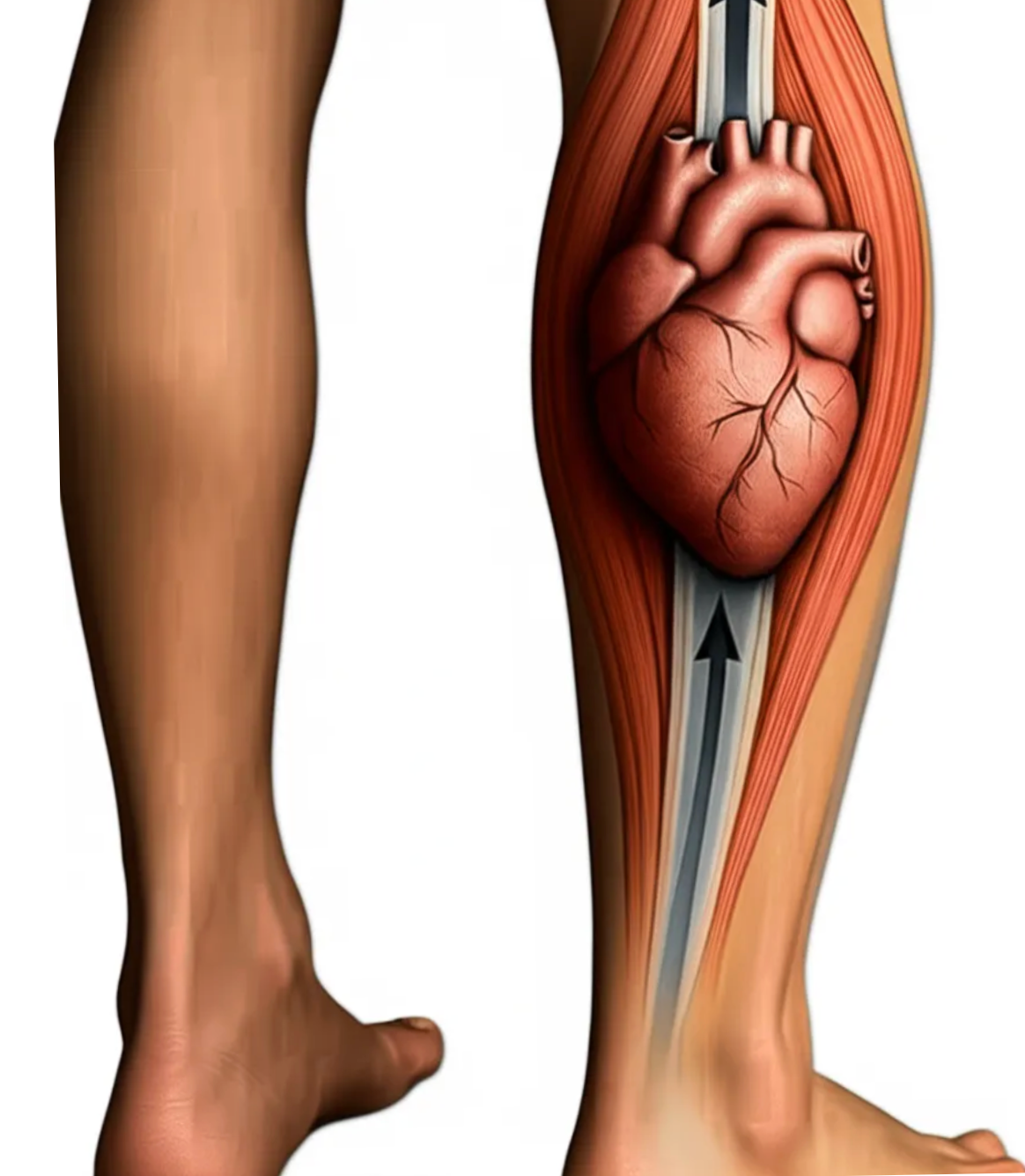
What is the “second heart”?
The second heart isn’t a metaphor — it’s a real function of your calf muscles.
This group of muscles in your lower legs acts like a pump.
Every time you walk, rise onto your toes, or flex your ankles, your calves contract and squeeze blood upward through your veins.
Because your veins don’t have strong pumps of their own, they rely on this movement to push blood back toward your heart.
This mechanism is known as the calf muscle pump, and it’s one of the most important systems for circulation and fluid flow.
Why it matters for your health
When your calf pump works well, your body stays balanced.
Blood and lymph flow freely
Swelling is managed
Nutrients and oxygen reach your cells
Waste products are cleared out
But when it’s not working properly, you might notice:
Heavy, aching legs
Swelling around the ankles
Tired legs after standing or sitting
Cold feet
Slow recovery after exertion
Poor circulation in the calves can even contribute to fatigue, delayed healing and poor lymphatic flow — because the whole body depends on good circulation.
How to support your second heart
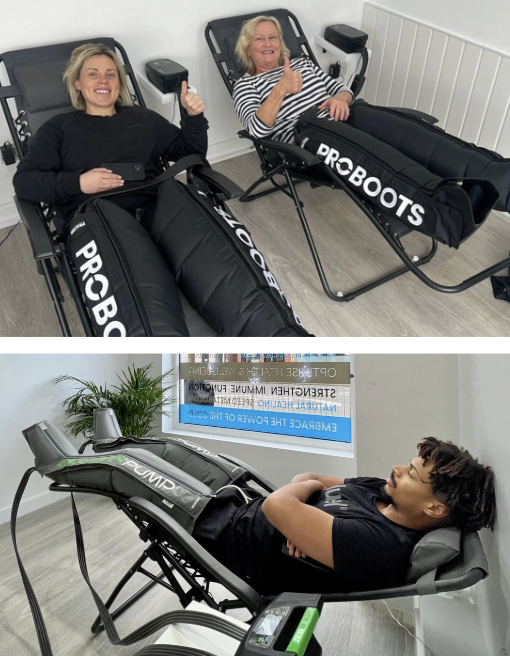
Compression Therapy
Our compression boots are specifically designed to support the calf muscle pump.
They apply graduated, rhythmic pressure up the legs, mimicking the natural action of walking or calf contraction.
This helps:
Boost circulation
Move blood and lymph fluid upward
Reduce swelling and heaviness
Speed up recovery
And it doesn’t take long.
Just 20 minutes in the boots can leave your legs feeling lighter, fresher, and more energised.
Research shows that intermittent pneumatic compression can significantly increase venous return and reduce leg swelling:

Deep Tissue Massage
Targeted deep tissue massage supports the second heart by releasing tension in the calf muscles, improving blood flow, and helping the calf pump work more efficiently. By keeping these muscles flexible and active, it supports better circulation and reduces fluid build-up in the lower legs.
Everyday ways to keep things flowing
Even small shifts in your day can make a difference:
Get up and walk every hour
Flex and point your feet when seated
Calf raises or ankle pumps at your desk
Stay hydrated
Stretch or gently massage your calves after sitting long hours
It’s simple support. But it works.
You don’t need to wait for a problem
Support for this system isn’t just reactive — it’s protective.
When your circulation flows well, recovery is faster. Energy is higher. Your legs feel fresher and lighter.
And that ripple effect benefits your whole body.
Want to talk about what’s right for you?
If you’d like to learn more about how we can help you support your health and recovery, we’re here to chat.
Start a WhatsApp conversation with us here and let’s talk about what your body needs.
This article is part of our Know Your Body blog series — a clear, practical guide to help you better understand how your body works, heals, and stays well.