
The Vagus Nerve: The Key to Calm, Recovery & Gut Health
A closer look at the vagus nerve and its surprising impact on your health
(3 min read)
We all know what it’s like to feel on edge.
Tight chest. Shallow breath. Racing thoughts. A gut that won’t settle.
Then there are the days that feel calmer.
Your shoulders drop. You breathe easier. You’re more patient. Your body just feels better.
The difference?
That could be your vagus nerve doing its job.
What is the vagus nerve?
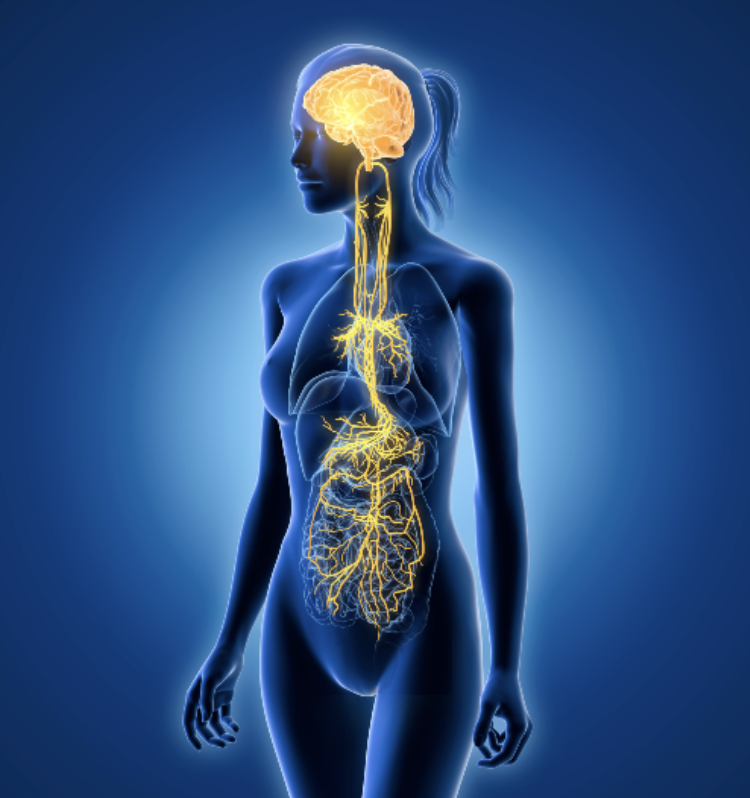
The vagus nerve is one of the longest and most influential nerves in your body.
It starts in your brainstem and winds its way down through the neck, chest, and abdomen — connecting to major organs along the way.
Think of it as a communication superhighway.
It links your brain to your heart, lungs, digestive system, liver, and more.
Its job?
To help keep everything in sync.
And to shift you into a state of rest, recovery, digestion, and healing.
This is why it’s often called the “calm and connect” nerve.
Why it matters for your health
When your vagus nerve is active and responsive (known as having good vagal tone), your body can switch between activity and rest smoothly. You feel more resilient, more adaptable, and less reactive.
But when vagal tone is low, you might notice things like:
Feeling stuck in stress
Bloating or poor digestion
Trouble calming down after exertion
Poor sleep or light sleep
Emotional ups and downs
Slower recovery from illness or effort
These can all be signs your system needs help finding its “off switch.”
That’s where supporting the vagus nerve can make a real difference.
How you can support your vagus nerve
One of the simplest and most effective ways to support your vagus nerve is by cooling the face and neck.
This area is closely connected to vagal pathways, and mild cold exposure here helps the body move into a more relaxed state.
There’s science behind this.
Research shows that cooling the face or neck — sometimes called the “cold face response” — can activate the vagus nerve, slow the heart rate, and trigger a calming effect in the body.
Read the study
At CryoBright, we use this effect in two ways:
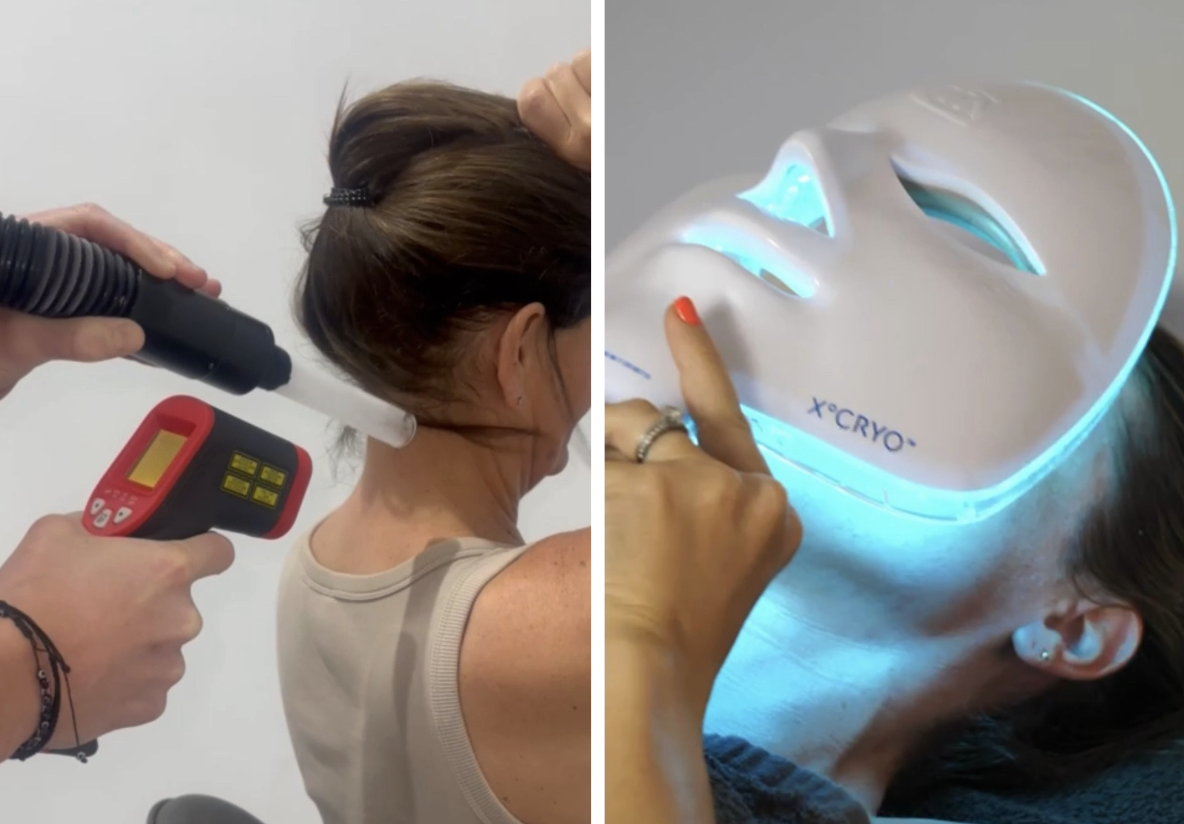
Localised Cryotherapy (Applied to the neck)
A short blast of controlled cold applied to the back of the neck — where the vagus nerve runs — can help interrupt tension and trigger a calm, parasympathetic reset.
Cryotherapy Face Mask
Cooling the face may be best known for skin health, but it also taps directly into vagus nerve stimulation — helping the body unwind from the inside out.
Both treatments are gentle, fast and effective.
They don’t just feel good — they help your nervous system function better.
Other simple ways to stimulate the vagus nerve
Deep, slow breathing (especially with long exhales)
Gentle movement like stretching, yoga or walking
Singing, humming or chanting
Laughter and social connection
Rest and quality sleep
Together, these small inputs tell your body it's safe — and that it’s time to rest, digest and reset.
It’s not about fixing — it’s about supporting
You don’t need to wait until something’s wrong to support your vagus nerve.
In fact, regular support can help prevent the feeling of overwhelm in the first place.
When this nerve works well, your body becomes better at doing what it’s designed to do:
self-regulate, repair, digest and recover.
And that shows up in how you feel — every single day.
Want to talk about what’s right for you?
If you’d like to learn more about how we can help you support your health and recovery, we’re here to chat.
Start a WhatsApp conversation with us here and let’s talk about what your body needs.
This article is part of our Know Your Body blog series — a clear, practical guide to help you better understand how your body works, heals, and stays well.